
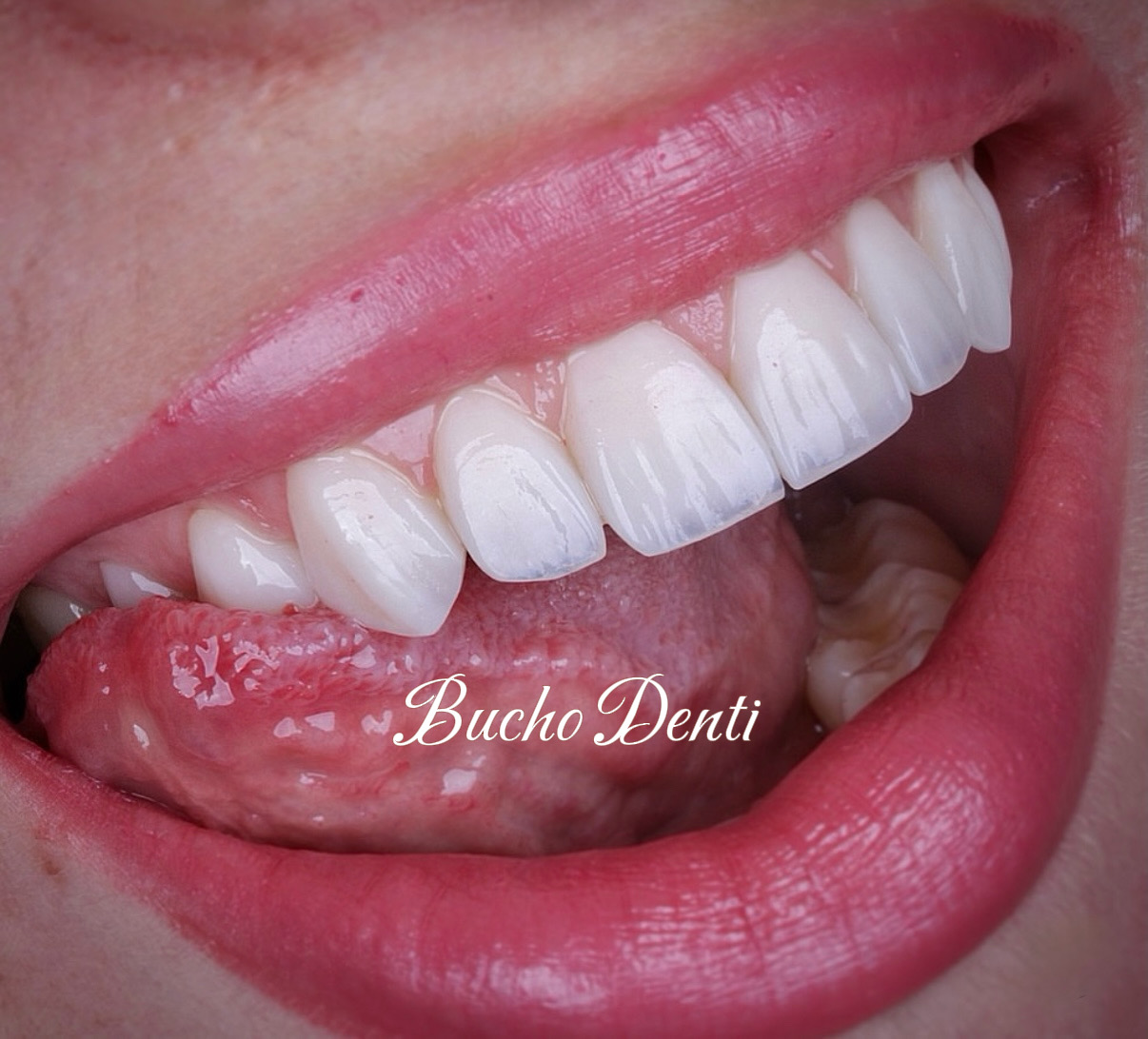
Real Dental Implant Case in Georgia: From Diagnosis to Final Restoration
A successful dental implant treatment does not begin with choosing an implant.
It begins with understanding the patient.
For every patient considering 🔗 dental implants in Georgia, the treatment process should start with a careful clinical assessment, diagnosis and personalised treatment planning.
In this real clinical case, we followed a structured process from the patient’s initial situation through diagnosis, treatment planning, implant selection, surgical treatment, healing and final restoration.
The purpose is not simply to show a final result.
It is to show how the clinical decisions behind that result were made.
The Patient’s Initial Situation
Every dental implant case begins with a specific clinical situation.
The patient’s concerns, existing teeth, bone condition, oral health and treatment expectations all need to be considered before a treatment approach is selected.
Understanding the initial situation is important because implant treatment cannot be planned accurately from appearance alone.
A clinical assessment is necessary before deciding what treatment is appropriate.
Diagnosis and CT Assessment
The next step was a detailed clinical assessment supported by CT imaging.
A CT scan can provide important information about the anatomical structures relevant to implant treatment and helps the dentist evaluate the patient’s individual situation.
The diagnosis comes before the treatment decision.
This is why 🔗 dental implant diagnosis is such an important part of the process.
Rather than asking only which implant to use, the clinical question is:
What does this patient actually need?
Why a Personalised Treatment Plan Was Necessary
No two implant cases are exactly the same.
The treatment plan needs to reflect the patient’s clinical condition, anatomy, existing restorations, available bone, functional requirements and long-term restorative goals.
In this case, the clinical findings were used to develop a personalised 🔗 dental implant treatment plan.
The purpose of the plan was to establish the appropriate sequence of treatment before moving forward.
This approach also gives 🔗 international dental patients a clearer understanding of what their treatment may involve before travelling to Georgia.
Implant Selection
Once the clinical situation and treatment plan were established, 🔗 implant selection could be considered as part of the overall treatment strategy.
An implant should not be selected simply because it is cheaper, more expensive or popular.
The selection should be connected to the patient’s clinical requirements and the restorative plan.
This is an important distinction for patients researching 🔗 dental implants in Tbilisi.
The implant is one component of a much larger clinical process.
Surgical Stage
Following the established treatment plan, the surgical stage was carried out according to the patient’s individual clinical requirements.
The objective was not simply to place an implant.
It was to follow the planned treatment sequence while maintaining appropriate clinical control throughout the process.
A real clinical case demonstrates why treatment planning matters: the surgical stage is connected to the diagnosis and decisions made before surgery.
Healing and Osseointegration
Implant treatment does not end on the day of surgery.
The healing period is an important part of the process.
During this stage, the implant undergoes biological integration with the surrounding bone — a process known as osseointegration.
The appropriate timing for the next restorative stage depends on the individual clinical situation.
For this reason, an 🔗 an implant treatment timiline should never be presented as identical for every patient.
Final Zirconia Restoration
After the appropriate clinical stages and healing period, the restorative phase can be completed.
In this case, the final restoration was [INSERT REAL RESTORATION DETAILS].
The restoration is the visible part of the treatment, but the final result is connected to every stage that came before it:
Diagnosis → Treatment Plan → Implant Selection → Surgery → Healing → Final Restoration
That is why a clinical case tells a much bigger story than a before-and-after photograph.
What International Patients Can Learn From This Case
Patients travelling internationally for dental treatment often focus first on price, treatment duration or the final result.
Those factors are important.
But there is another question that deserves equal attention:
How is the treatment planned?
For 🔗 international dental patients, understanding the clinical process before travelling can reduce uncertainty and make the journey easier to plan.
You do not always need to travel to Georgia just to start the conversation.
If appropriate, patients can begin by sharing their existing CT scan or X-ray for an initial assessment. The clinical team can then discuss the findings, possible treatment options and the next steps before travel arrangements are made.
This does not replace an in-person clinical examination when one is required, but it can help establish the conversation before the journey begins.
Start With a Diagnosis
A dental implant treatment should not start with a price.
It should not start with an implant brand.
And it should not start with a promise of a particular result.
It should start with understanding the patient.
Diagnosis → Personalised Treatment Plan → Implant Selection → Treatment Timeline → Clinical Treatment → Final Restoration
This is the approach we follow when planning dental implant treatment for patients at BuchoDenti in Tbilisi, Georgia.
If you are considering 🔗 dental implants in Georgia, you can contact our team and discuss your case before travelling.
Send your CT scan or X-ray for an initial assessment and treatment discussion.